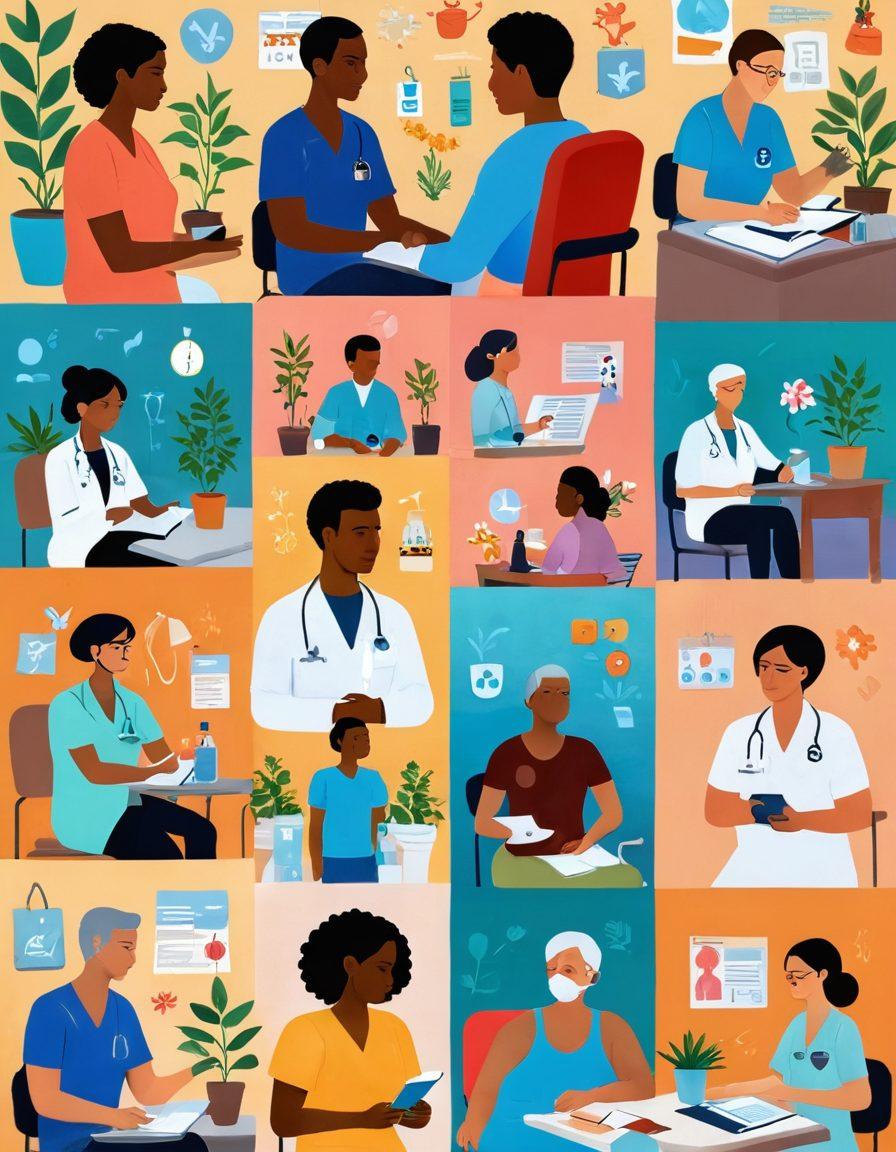
Empowering Survivorship: Navigating the Path from Diagnosis to Wellness in Cancer Care
When faced with a cancer diagnosis, the world can feel like it’s turned upside down. The news can be overwhelming, filled with a slew of medical terminology that can make your head spin—oncology, tumor, malignancy. Each term carries a weight heavier than the last. But within the confines of that diagnosis lies the first step of an empowering journey toward survivorship. How do we navigate this complex path that goes from the stark reality of treatment to the vibrant renewal that comes post-cancer? Let’s delve into comprehensive strategies that can guide every fighter—because survivorship is not just about surviving cancer; it’s about thriving after it.
Each individual's story of their cancer journey is unique, reflecting a blend of personal resilience and available resources. For many, the road from diagnosis to wellness involves an interactive web of strategies. Engaging with research articles that discuss the latest cancer therapies—whether it’s chemotherapy, radiation therapy, immunotherapy, or palliative care—becomes a vital part of understanding one’s condition. What steps are you taking to educate yourself about your specific neoplasm and its treatment options? Knowledge is power, and the more informed you are, the better positioned you will be to advocate for your care.
A core component of navigating cancer survivorship is mastering symptom management. Cancer doesn’t just affect the body; it can leave its mark on the mind and spirit as well. Here lies the importance of patient resources, including cancer education and access to support networks. Engaging in support groups and seeking consultation services helps create a community where pain, hope, and healing are shared. Dr. Elizabeth Kübler-Ross once said, “The most beautiful people we have known are those who have known defeat, known suffering, known struggle, known loss, and have found their way out of those depths.” How can your story contribute to someone else’s healing?
Embracing lifestyle changes is a powerful step you can take on your road to recovery. Nutrition for cancer patients is crucial. Colorful fruits, vegetables, rich proteins, and whole grains should take center stage on your plate as you explore cancer prevention strategies. Nutrition is more than fuel; it’s a part of a holistic approach to wellness that goes hand-in-hand with cultivating a positive mindset and establishing routines that support your healing journey. Have you experimented with new recipes or foods that make you feel good?
As you emerge into survivorship, remember that it’s a journey, not a destination. By participating in clinical trials, you not only explore cutting-edge cancer therapies, but you also contribute to a larger cause—helping future patients access better treatment options. In this pivotal stage, early detection and advocacy take on new meaning. Turning your experiences into a narrative of renewal reinforces the idea that cancer is merely one chapter in your life story. Are you ready to write the next chapter of your journey with courage and hope?
Navigating Treatment Options: Empowering Patients Through Oncology Insights
Navigating the turbulent waters of a cancer diagnosis can often feel overwhelming. The sheer weight of the term 'malignancy' can pull one down into an ocean of doubt and fear. But what if we told you that beyond the storm lies the promise of wellness and empowerment? This blog is not just about uncovering the complexities of oncology; it's about paving a clearer path for patients who find themselves at the crossroads of treatment options. Through exploring the nuances of various cancer therapies—from chemotherapy and radiation therapy to newer avenues like immunotherapy—we hope to build a bridge towards informed decision-making for every survivor and their loved ones.
Imagine sitting in a doctor's office, hearing words that shake your foundation—tumor, neoplasm, and cancer. As your heart races, the necessity for swift action becomes apparent. This moment is where patient resources and education transform the narrative. How can you, as a patient, approach the myriad treatment options available? What questions should you be asking? Understanding the types of cancer therapies—whether it’s the invasive approach of surgery or the adventurous realm of clinical trials—makes all the difference. Engaging in cancer advocacy not only empowers individuals but elevates the conversation about survivorship and the potential for living well beyond a cancer diagnosis.
In the world of health care, knowledge truly is power. Research articles offer insights into the efficacy of different treatments. Are you aware of the latest advancements in immunotherapy? Or the importance of early detection in achieving the best outcomes possible? Prevention strategies and lifestyle changes, including nutrition for cancer patients, are essential components that lay the groundwork for recovery and long-term wellness. The truth is, your treatment journey can be as unique as your cancer itself, mirroring the complexities of your individual health landscape. What role will wellness play in your recovery story?
As you navigate this complex maze of options, support networks become invaluable. Have you ever attended a patient support group? The shared experiences in these forums provide solace and a sense of belonging. By connecting with others traveling the same path, you can exchange useful health information, pixilate your worries, and arm yourselves with the knowledge you need to make informed choices. After all, who better to guide you than those who have walked this tough walk themselves?
Ultimately, survivorship is about more than just managing symptoms—it’s about embracing a holistic approach to life after cancer. From engaging with healthcare professionals for consultation services to exploring palliative care options, your journey is one of resilience and renewal. So, are you ready to take charge of your journey? Your empowerment starts here, with the understanding that yes, cancer may define a chapter in your life, but it does not define your entire story. Let’s write a tale of courage, support, and triumph together.
Holistic Wellness: Integrating Nutrition, Support, and Advocacy in Cancer Care
In the face of a cancer diagnosis, the journey can often feel overwhelming. The term 'cancer' itself evokes a wealth of emotion—from fear and uncertainty to hope and determination. But what if I told you that embracing a holistic approach to wellness could empower your survivorship journey? As individuals diagnosed with malignancies attempt to navigate their path from initial diagnosis through treatment—and beyond—integrating nutrition, support, and advocacy becomes not just a choice, but a necessity. This medical blog aims to shed light on this profound approach, proving that beyond the clinical interventions such as chemotherapy and radiation therapy, there exists a realm of holistic wellness that can truly enhance the quality of life for cancer patients and survivors. Imagine this: Your doctor shares that you have a tumor, and while the news feels like being hit by a freight train, you're not alone. You have the power of nutrition, emotional support, and advocacy at your disposal. Just as our bodies need fuel, our minds and spirits also require nurturing. Have you ever wondered how important these elements are to your overall health care? Research articles suggest that nutrition for cancer patients is a cornerstone of their treatment, impacting everything from energy levels to immune support. By making lifestyle changes and consulting with nutritionists specializing in oncology, patients can optimize their health and potentially navigate their journey with more resilience. As you embark on this journey, have you thought about the communities available for support? Patient support groups offer a safe haven for individuals facing similar challenges. Imagine swapping stories over coffee with someone who understands the nuances of living with a neoplasm, or sharing laughter with others while discussing symptoms about which you once felt alone. The connections made in these support networks are invaluable; they provide not only emotional solace but tangible patient resources and advocacy efforts that can empower you in your fight against cancer. Whether it's learning about the latest clinical trials in immunotherapy or understanding palliative care options, fostering relationships within these groups can provide hope. But remember, survivorship encompasses more than just surviving treatment. It’s about thriving in a new reality. Holistic approaches integrate not just nutrition and emotional support but also cancer education that emphasizes early detection and effective symptom management. Many survivors report that proactive engagement in their health care journey—armed with health information gathered from credible sources—has enabled them to regain a sense of control. After all, as the saying goes, “Knowledge is power.” Imagine feeling equipped to navigate a world filled with uncertainties and complexities, all while being your own advocate. So, what can you do today to embrace this holistic wellness approach? Start by exploring cancer prevention strategies, evaluating your nutrition for cancer patients, and delving deep into educational resources about your specific malignancy. Engage with healthcare professionals through consultation services that prioritize your overall wellbeing. Ask yourself the tough questions: How can I cultivate a lifestyle that supports my body? How can I build my network to ensure I am never alone on this journey? By participating actively in your survivorship journey, you transform your experience from one of mere survival to one of truly thriving. Let's make this journey enriching, supportive, and impactful together!